
Most men share the desire of having a great body and staying fit, which is generally related to our hormones. While staying fit has many methods and differs from one person to another, engineering students struggle to find time for a good body plan (not random sessions in the gym) that will absolutely lead to having a great body, without losing perfect notes in their studies.
This is the problem that I tried to solve through this blog post, where I looked into several resources and social media to find out the best instructions and plans to achieve that.
NB: You will find at the end of the blog post a link for an infographic that better explains and recaps the content.
Why a Routine is Your Secret Weapon
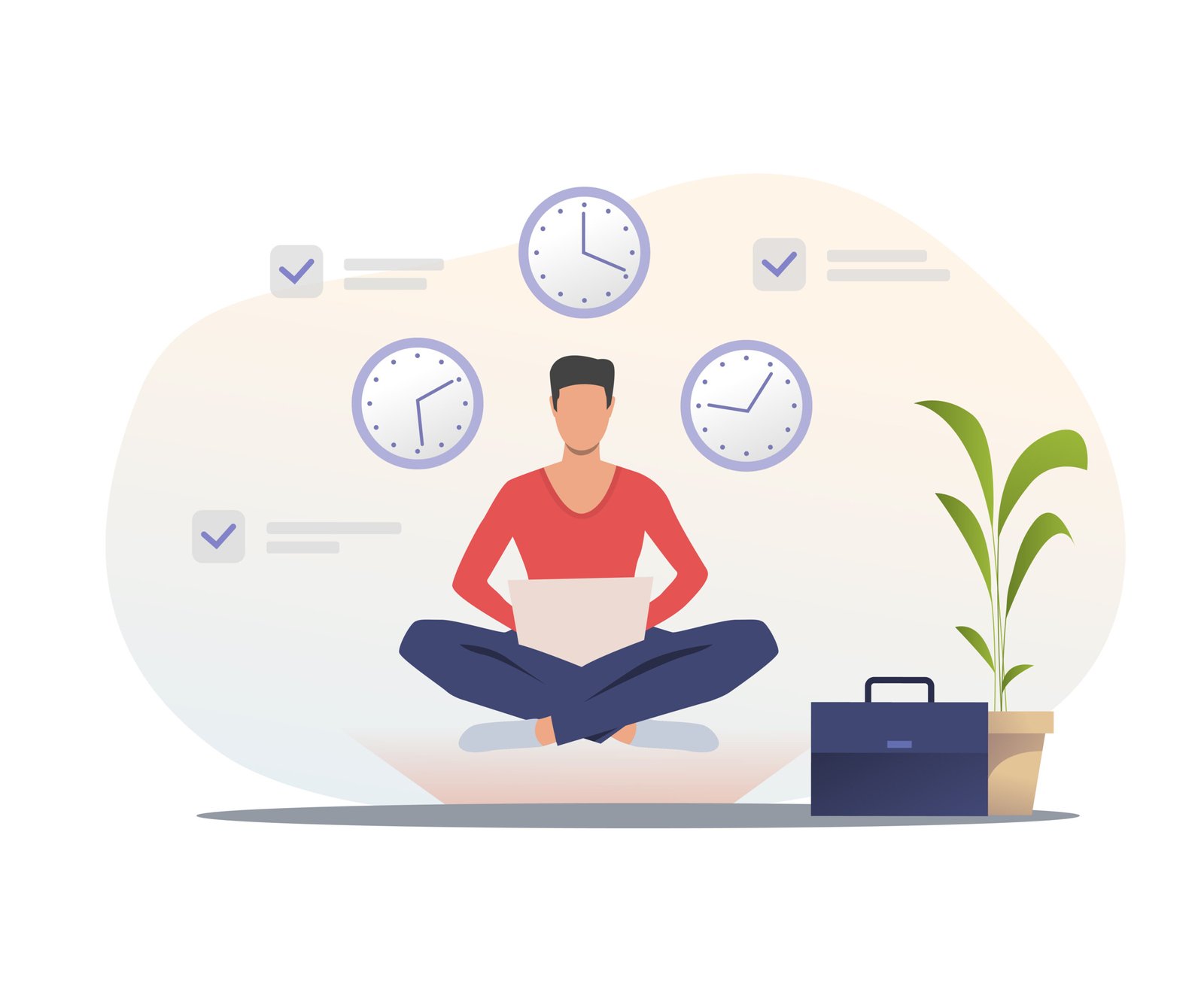
To be honest, routine is the only way to discipline. A lot of people think that this habit is negative. While routine can’t be boring if you always break it, let me explain:
Waking up every day at 4:00 o’clock is hard, and doing that every day of the week and month seems impossible. But if you do it for 2 days in a row, then the third day you wake up at 6 or 7, this act will be like a gift for your body for waking up 2 days at 4 o’clock, which is a system our bodies really like. Doing something hard that makes you get rewarded!
This was a simple example; I will talk about how to deal better with routine in a future post.
Back to our topic, why did I start by talking about routine? Well, because it’s the only way to gain time. Having a good routine will always give you those 3 hours that will really make a difference. You want to stay fit, you have to get at least 2 hours: 1 hour and a half for workouts, and 30 minutes for preparing meals before and after the workout.
I won’t say when to train yourself, because some people like to train at night while others in the morning. But scientifically and in relation with hormones and their impact on the rest of the day, training in the morning is way better.
For me, I created a plan that I will strictly follow myself, and I’ll take photos of my body progress and note it ,when I started taking the routine easily and something like that, in order to share this experiment with others, which I believe myself, it will work.
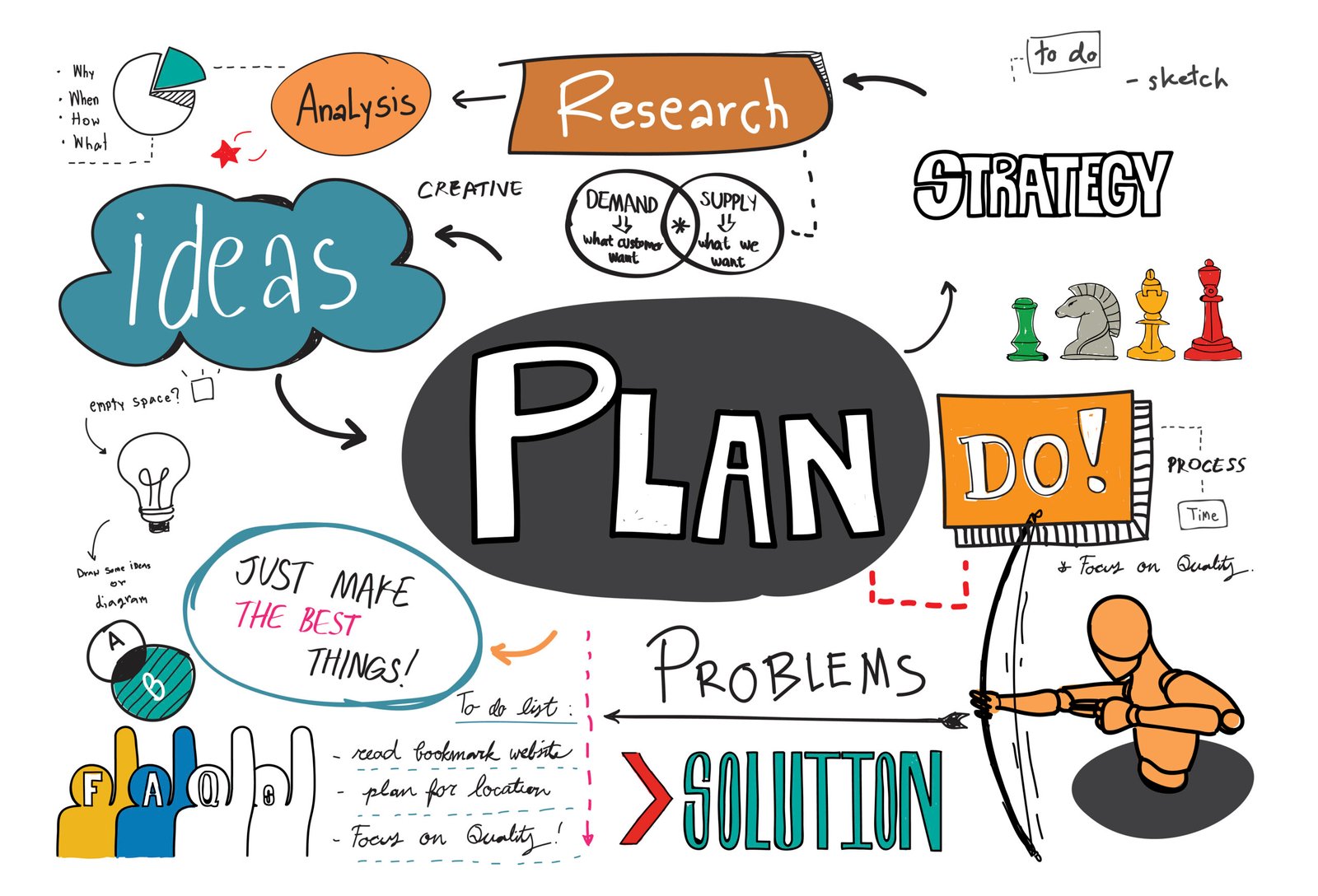
Routine Plan
4:00 AM – Wake Up & Hydrate
Start your day by drinking a glass of water. Avoid hitting snooze; consistency helps regulate your body’s internal clock.
4:15 AM – Light Activity & Goal Setting
Do some light stretching or meditation to prime your brain. Spend 15 minutes reviewing your academic and workout goals for the day.
4:30 AM – Focused Study Session (Pomodoro Technique)
This is your golden hour of uninterrupted peace. Use the Pomodoro Technique: work for 25 minutes, then take a 5-minute break. Complete two Pomodoro cycles. This is a great time for your most challenging subjects.
5:30 AM – Pre-Workout Snack & Prep
Fuel your body for the upcoming workout. This could be a banana, a protein bar, or some yogurt with granola.
6:00 AM – Workout Session
Whether you hit the gym for strength training or go for a run, focus on efficiency. Having clear, specific goals for each session (e.g., focusing on technique) will give you the biggest improvements in the limited time you have. (For me, my goal is to have a good stomach, and learn how to do a handstand.)
7:00 AM – Post-Workout Nutrition & Shower
Refuel within 30 minutes of intense activity to replenish energy stores and aid muscle recovery. A protein shake or a meal with lean protein and carbs is ideal.
7:30 AM – Healthy Breakfast & Review
Enjoy a nutritious breakfast to fuel your mind for the day. Briefly review notes for your first class. Good breakfast options include oatmeal, eggs, whole-grain bread, and fruit.
8:00 AM – 12:00 PM – Classes & Focused Learning
Attend all your classes and stay engaged.
12:00 PM – 1:00 PM – Lunch
Eat a balanced lunch that includes lean protein, complex carbohydrates, and vegetables. Avoid greasy or fried foods that can make you feel sluggish. Use this time to decompress.
1:00 PM – 5:00 PM – Classes, Labs & Micro-Study Sessions
Utilise small gaps between classes (10-15 minutes) to review flashcards, answer emails, or plan assignments. This prevents small tasks from piling up. If you have a longer break, find a quiet spot for another focused study session. (That doesn’t mean you have to be lonely or avoid being social, because these side tasks don’t exist daily.)
5:00 PM – 7:00 PM – Study & Homework
Prioritise your most difficult assignments first, when your energy is higher. Use the Pomodoro technique again to stay engaged.
7:00 PM – 7:30 PM – Dinner
Have a balanced dinner with protein, carbohydrates, and vegetables.
7:30 PM – 8:30 PM – Final Study Session or Light Review
Finish your remaining tasks for the day. If your work is done, use this time to lightly review the day’s material to improve retention.
8:30 PM – 9:30 PM – Socialise & Unwind
It is vital to leave time to socialise and relax to avoid burnout. Connect with friends or family, read a book, journal, or listen to a podcast.
9:30 PM – 10:00 PM – Prepare for Tomorrow & Wind Down
Prep your bag, meals, and workout clothes for the next day. Create a relaxing bedtime routine and avoid screens, as the blue light can interfere with sleep.
10:00 PM – Sleep
Aim for 7-8 hours of quality sleep every night. Sleep is crucial for muscle recovery, cognitive function, and overall well-being.
Fueling Your Body: Nutrition for a Student-Athlete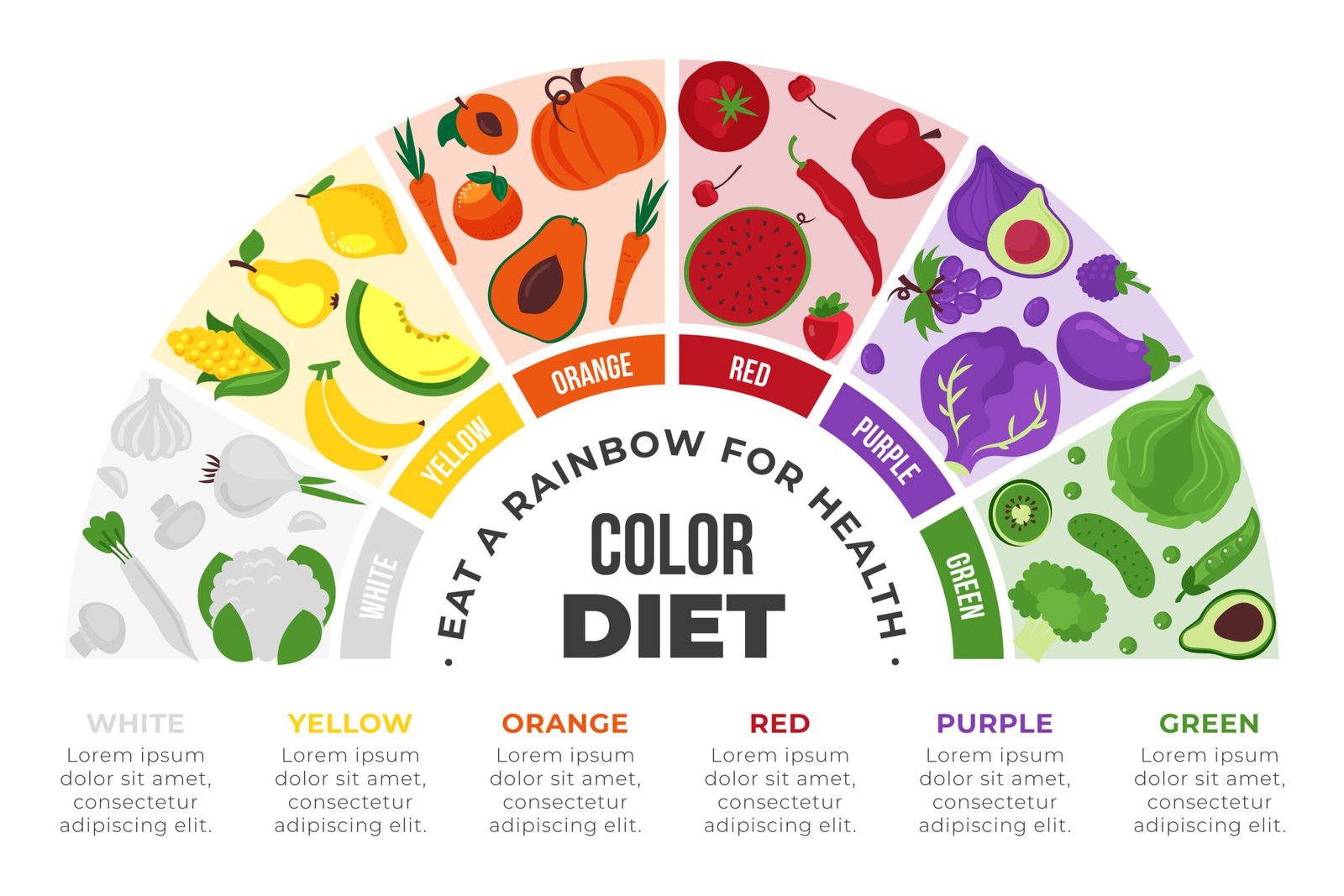
Proper nutrition is critical to fuel both your brain and your muscles. As an athlete, you need more calories and nutrients than your less-active peers.
Macronutrients are Key: Your diet should be rich in carbohydrates for fuel, moderate in protein for muscle repair, and include healthy fats for long-lasting energy. An ideal diet comprises over 40% carbohydrates, 10-30% protein, and over 25% fat. (I will create the infographic with Adobe to explain this in detail.)
- Carbohydrates: Choose whole grains (brown rice, oatmeal), fruits, and vegetables.
- Protein: Good sources include lean meats, fish, poultry, eggs, dairy, and soy.
- Fats: Opt for unsaturated fats from vegetable oils, nuts, seeds, and fish.
Meal Timing:
- Pre-workout: Eat a meal 3-4 hours before activity, or a lighter snack 1-2 hours before.
- Post-workout: Refuel within 30 minutes of intense exercise to replenish glycogen stores and aid muscle recovery.
Stay Hydrated: Dehydration can severely impact physical and mental performance. Drink water before, during, and after exercise. Sports drinks can be useful for workouts lasting over 60-90 minutes.
Vitamins and Minerals: Ensure you get enough calcium for strong bones (from dairy, almond butter) and iron to carry oxygen to your muscles (from lean meat, leafy greens).
Avoid Dieting and Supplements: It’s generally a bad idea for teen athletes to diet, as cutting calories can lead to growth problems and injuries. Most supplements are not proven to help and some can be harmful. Focus on getting nutrients from a balanced diet.